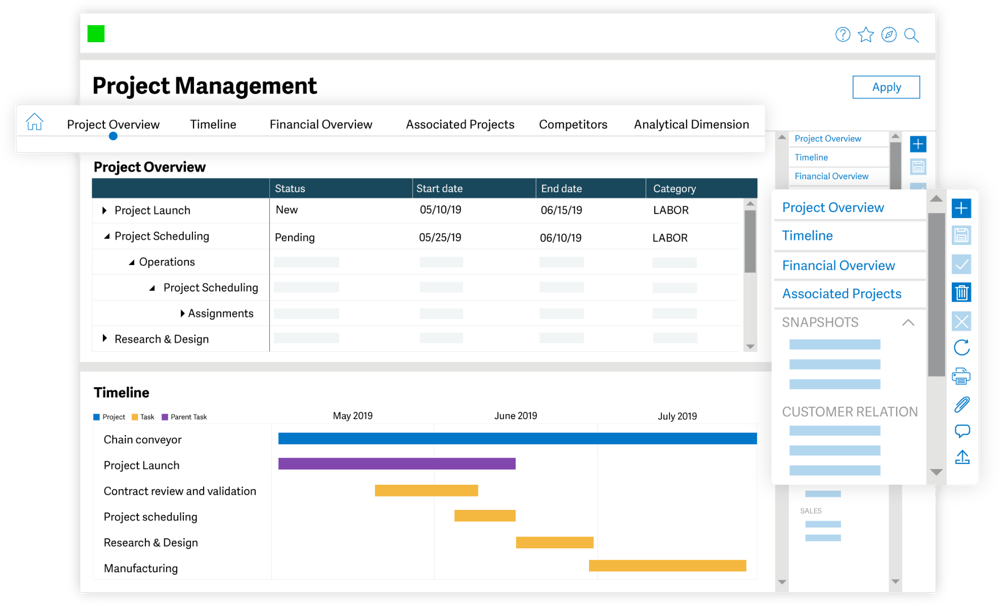
Welcome to a world where businesses in the UAE are increasingly turning to Enterprise Resource Planning (ERP) software to streamline their operations and boost their efficiency. With the rapid advancements in technology, companies are recognizing the numerous advantages that ERP software can offer in terms of integrating their various functions and processes onto a single platform. From improved communication to enhanced decision-making capabilities, ERP software is revolutionizing the way businesses in the UAE operate, paving the way for increased productivity and profitability.
The Growing Demand for ERP Software in the UAE
Enterprise Resource Planning (ERP) software is becoming increasingly popular in the United Arab Emirates as more businesses recognize the benefits of implementing this technology. With the rapid growth of the UAE economy and businesses expanding their operations, the demand for efficient and streamlined business processes has never been higher. ERP software offers companies a centralized system to manage all aspects of their operations, from finance and accounting to human resources and supply chain management.
One of the main drivers behind the growing demand for ERP software in the UAE is the need for improved efficiency and productivity. Manual processes and outdated systems can be time-consuming and prone to errors, leading to delays in decision-making and increased operational costs. By implementing an ERP system, businesses can automate repetitive tasks, streamline operations, and improve overall efficiency. This allows employees to focus on more strategic tasks that add value to the business.
Another factor contributing to the increasing popularity of ERP software in the UAE is the need for real-time insights and data-driven decision-making. In today’s fast-paced business environment, making informed decisions quickly is crucial for staying competitive. ERP systems provide businesses with up-to-date data and analytics, allowing managers to track performance indicators, identify trends, and make informed decisions based on real-time information. This level of visibility and control is especially important for businesses operating in dynamic industries like retail, manufacturing, and finance.
Furthermore, the UAE government’s push towards digital transformation and innovation is driving the adoption of ERP software among businesses in the country. With initiatives like the UAE Vision 2021 and the Dubai Smart City project, there is a strong emphasis on leveraging technology to improve efficiency, productivity, and customer experience. ERP systems play a key role in this digital transformation by enabling businesses to integrate their operations, automate processes, and adapt to changing market conditions.
Lastly, the increasing globalization of business and the need for seamless collaboration across different departments and locations are also driving the demand for ERP software in the UAE. With businesses expanding internationally and operating in multiple jurisdictions, having a centralized system that can connect all facets of the organization is essential. ERP software allows companies to standardize processes, share information in real-time, and improve communication between teams, regardless of their physical location.
In conclusion, the growing demand for ERP software in the UAE can be attributed to various factors, including the need for improved efficiency, real-time insights, digital transformation, and globalization. As businesses in the UAE continue to prioritize innovation and competitiveness, investing in ERP software has become a strategic imperative for long-term success.
Key Features and Benefits of ERP Software in the UAE
Implementing ERP software in the UAE can greatly benefit businesses by streamlining their operations, increasing efficiency, and providing valuable insights for decision-making. Here are some key features and benefits of ERP software specifically tailored to the UAE market:
1. Customization for Local Business Practices
One of the main advantages of using ERP software in the UAE is its ability to be customized to fit local business practices and regulations. This ensures that the software meets the specific needs of businesses operating in the region, making it easier to comply with local laws and standards.
2. Enhanced Data Security and Compliance
ERP software in the UAE offers advanced security measures to protect sensitive business data from cyber threats and unauthorized access. With the increasing frequency of cyber attacks, data security is a top concern for businesses in the UAE. ERP software helps mitigate these risks by providing robust encryption, user authentication, and secure data storage solutions. Additionally, ERP systems ensure compliance with local data protection regulations such as the UAE’s Data Protection Law, safeguarding businesses from hefty fines and reputational damage.
3. Real-Time Business Insights
One of the key benefits of using ERP software in the UAE is the ability to generate real-time business insights through analytics and reporting tools. With ERP systems, businesses can track key performance indicators, monitor sales trends, and identify areas for improvement in their operations. This visibility into the company’s performance helps decision-makers make informed choices that drive profitability and growth.
4. Improved Collaboration and Communication
ERP software facilitates improved collaboration and communication among different departments within an organization. By centralizing data and processes, ERP systems break down silos and enable seamless information sharing across teams. This leads to greater efficiency, reduced errors, and enhanced productivity, ultimately contributing to a more cohesive and agile business operation.
5. Scalability and Flexibility
As businesses in the UAE grow and evolve, their ERP software needs to adapt accordingly. ERP systems offer scalability and flexibility to accommodate changing business requirements, whether it’s adding new users, integrating with third-party applications, or expanding into new markets. This scalability ensures that the ERP software can support the business’s growth trajectory without the need for major overhauls or disruptions.
In conclusion, ERP software in the UAE provides a robust platform for businesses to optimize their operations, drive growth, and stay competitive in the market. With its customizable features, enhanced security measures, real-time insights, improved collaboration, and scalability, ERP software offers a comprehensive solution for businesses looking to streamline their processes and maximize efficiency in the dynamic business landscape of the UAE.
Top ERP Software Providers in the UAE
Enterprise Resource Planning (ERP) software is crucial for businesses in the UAE to streamline their operations, improve efficiency, and make data-driven decisions. There are several ERP software providers in the UAE that offer top-notch solutions tailored to various industries. Here are the top three ERP software providers in the UAE:
1. SAP: SAP is a global leader in ERP software solutions, offering a comprehensive suite of applications designed to meet the needs of businesses of all sizes. SAP’s ERP software integrates core business functions such as finance, human resources, sales, and procurement, providing real-time insights and analytics to help businesses make informed decisions. With a strong presence in the UAE market, SAP has established itself as a trusted provider of ERP solutions for organizations across various industries.
2. Microsoft Dynamics 365: Microsoft Dynamics 365 is another popular ERP software provider in the UAE, offering a range of cloud-based ERP applications that can be easily customized to meet the specific needs of businesses. With modules for finance, supply chain management, sales, and customer service, Microsoft Dynamics 365 provides a seamless platform for businesses to manage their operations efficiently. The software is known for its user-friendly interface and seamless integration with other Microsoft products, making it a preferred choice for many organizations in the UAE.
3. Oracle NetSuite: Oracle NetSuite is a cloud-based ERP software provider that caters to businesses of all sizes, from startups to large enterprises. With modules for financial management, inventory, order management, and CRM, Oracle NetSuite offers a comprehensive solution for businesses looking to streamline their operations and drive growth. The software provides real-time visibility into key business metrics, allowing organizations to make data-driven decisions and optimize their processes for maximum efficiency. Oracle NetSuite’s flexible and scalable platform makes it a popular choice for businesses in the UAE looking for a reliable ERP solution.
Implementation Challenges and Solutions for ERP Software in the UAE
Implementing ERP software in the UAE can be a complex process due to various challenges that organizations may face. However, with careful planning and the right strategies, these challenges can be overcome. Below are some common implementation challenges and solutions for ERP software in the UAE:
1. Cultural Differences: One of the major challenges in implementing ERP software in the UAE is dealing with cultural differences. The UAE is a diverse country with a large expatriate population, which can lead to communication barriers and misunderstandings. To overcome this challenge, organizations need to provide cultural sensitivity training to their employees and ensure that the ERP software is tailored to meet the specific needs of the local workforce.
2. Legal and Regulatory Compliance: Ensuring compliance with local laws and regulations can be a challenge for organizations implementing ERP software in the UAE. Organizations need to conduct thorough research and work closely with legal experts to ensure that the software meets all the necessary requirements. Implementing a cloud-based ERP solution can help organizations stay up to date with changes in regulations and minimize the risk of non-compliance.
3. Data Security and Privacy: Data security and privacy are top concerns for organizations implementing ERP software in the UAE. With the increasing threat of cyberattacks and data breaches, organizations need to take proactive measures to secure their data. Implementing encryption protocols, multi-factor authentication, and regular security audits can help organizations protect their sensitive information and ensure compliance with data protection laws.
4. Integration with Legacy Systems: Integrating ERP software with existing legacy systems can be a complex and time-consuming process. Organizations in the UAE often have a mix of modern and legacy systems, which can make data migration and integration challenging. To overcome this challenge, organizations can use middleware solutions that act as a bridge between the ERP software and legacy systems. Alternatively, organizations can consider replacing legacy systems with modern solutions that are compatible with the ERP software.
Overall, implementing ERP software in the UAE requires careful planning, effective communication, and a thorough understanding of the local business environment. By addressing these challenges proactively and adopting the right strategies, organizations can successfully implement ERP software and realize the benefits of improved efficiency, streamlined processes, and better decision-making.
Future Trends and Innovations in ERP Software for the UAE Market
The UAE is one of the fastest-growing markets in the world, and as such, it is crucial for businesses to stay ahead of the curve when it comes to technology. ERP software plays a vital role in streamlining operations, increasing productivity, and providing real-time insights into business performance. With the constant evolution of technology, it is essential to keep an eye on emerging trends and innovations in ERP software that can help businesses in the UAE stay competitive.
1. Cloud-Based ERP Solutions: Cloud computing has transformed the way businesses operate, and ERP software is no exception. Cloud-based ERP solutions offer greater flexibility, scalability, and cost-effectiveness compared to traditional on-premise systems. This trend is expected to continue to gain traction in the UAE market as more businesses recognize the benefits of cloud-based ERP solutions.
2. Artificial Intelligence and Machine Learning: AI and machine learning technologies are revolutionizing the way businesses utilize ERP software. These technologies can automate routine tasks, predict trends, and provide valuable insights to help businesses make informed decisions. In the UAE market, AI and machine learning are expected to play a significant role in enhancing the capabilities of ERP software and driving business growth.
3. Mobile ERP Applications: With the increasing reliance on mobile devices, mobile ERP applications are becoming essential for businesses in the UAE. These applications allow users to access critical business information on the go, enabling real-time decision-making and improving overall operational efficiency. As mobile usage continues to rise in the UAE, the demand for mobile ERP applications is expected to grow as well.
4. Internet of Things (IoT) Integration: The IoT has the potential to revolutionize the way businesses collect, analyze, and utilize data. By integrating IoT devices with ERP software, businesses in the UAE can gain real-time insights into their operations, improve efficiency, and reduce costs. As more IoT devices are adopted in the UAE, the integration of IoT with ERP software is expected to become a key trend in the market.
5. Personalized User Experiences: In today’s digital age, user experience plays a critical role in the adoption and success of ERP software. As businesses in the UAE look for ways to enhance employee productivity and engagement, personalized user experiences are becoming increasingly important. Future ERP software in the UAE is expected to focus on delivering personalized interfaces, customized workflows, and intuitive design to improve user satisfaction and drive greater adoption.
Overall, the future trends and innovations in ERP software for the UAE market are geared towards enhancing efficiency, driving growth, and improving user experience. By staying ahead of these trends and embracing new technologies, businesses in the UAE can position themselves for success in a rapidly evolving digital landscape.
Originally posted 2025-07-02 03:23:31.